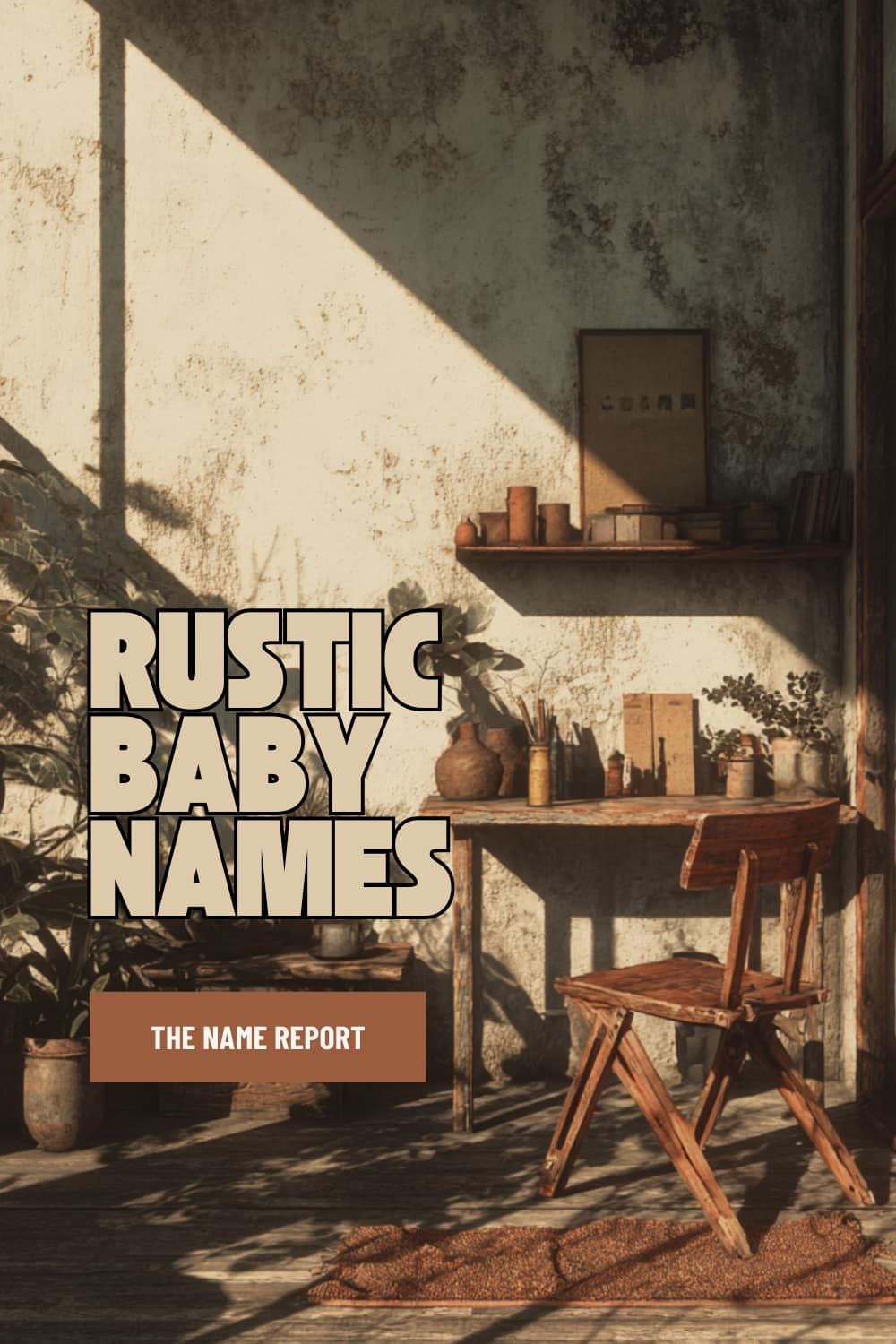
Rustic naming is about warmth without ideology. It’s choosing names that feel handmade, authentic, connected to real work and real places—but not carrying conservative political coding. Where country names sometimes lean explicitly rural and where frontier names carry pioneering weight, rustic names are simply warm. They feel like someone baked something, fixed something, cared for something with their hands. And they work for any family who values that warmth.
Rustic naming works across contexts and values because it’s not about what you do—it’s about how you move through the world. These are names for families that prioritize authenticity over polish, substance over performance, genuine care over aesthetic presentation. Your child doesn’t have to grow up on a farm or identify with a specific region for a rustic name to work. They just have to grow up understanding that real things matter more than shiny things.
What Makes a Name Rustic
The aesthetic of genuine care. Rustic names feel like they were chosen with thought, not defaulted to. They suggest someone who will probably be the kind of person who fixes things, tends to people, builds community. There’s warmth embedded in the sound—the feeling of being known and cared for.
The sound of accessibility and realness. Phonetically, rustic names often have clear, strong sounds without being aggressive. They’re easy to say, they land with presence, and they suggest someone comfortable in their own skin. They don’t demand attention or explanation.
The meaning of work and authenticity. Many rustic names have etymologies rooted in actual things: work, places, qualities that matter. They’re not names about being special—they’re about being real. About substance. About integrity.
Rustic Baby Names With Genuine Heart
The Warmly Grounded (Work, Care, Tending, Community)
Emma (EM-uh) — Germanic, meaning “whole” or “universal.” Warm, accessible, genuinely substantial, Emma suggests someone who belongs anywhere because she’s grounded in herself.
James (JAYMZ) — Hebrew, meaning “supplanter.” But James is rustic because it’s solid, warm, accessible across contexts without being trendy.
Clara (KLAR-uh) — Latin, meaning “bright” or “clear.” Rustic in its simplicity, suggesting someone direct, honest, and genuinely present.
Henry (HEN-ree) — Old German, meaning “estate ruler.” Warm, accessible, genuinely substantial, Henry suggests someone responsible without being stuffy.
Eliza (eh-LY-zuh) — Hebrew, short for Elizabeth. Warm without being precious, Eliza suggests someone who belongs in multiple worlds.
Leo (LAY-oh) — Latin, meaning “lion.” Rustic in its simplicity, warm in its accessibility, Leo suggests grounded confidence.
Ada (AY-duh) — Germanic, meaning “noble.” Short, warm, genuinely accessible, Ada feels like someone with dignity and humor.
Ezra (EZ-rah) — Hebrew, meaning “God is my helper.” Rustic in its realness, warm in its spiritual groundedness without preaching.
Violet (VY-uh-let) — Latin, from the flower. Warm, grounded, genuine, Violet suggests someone who notices beauty but doesn’t need to perform it.
Simon (SY-mun) — Hebrew, meaning “God has heard.” Accessible, warm, grounded, Simon suggests someone thoughtful and present.
The Place-Rooted (Connected to Landscape and Home Without Regional Coding)
Avery (AY-vuh-ree) — English, originally a place name. Accessible yet substantial, rustic in its groundedness without regional specificity.
Darcy (DAR-see) — Irish/English, possibly meaning “dark-haired.” Rustic-warm without being costume, Darcy suggests intelligence and depth.
Lincoln (LING-kun) — English, place name. Grounded, accessible, warm, Lincoln works for any family valuing authenticity.
Eden (EE-dun) — Hebrew, the garden. Rustic because it’s spiritual without pretense, suggesting a space of care and belonging.
Mackenzie (muh-KEN-zee) — Scottish, meaning “the greatest.” Rustic-warm, accessible, grounded, Mackenzie works across value systems.
The Simple & Honest (Names That Don’t Need Explanation)
Grace (GRAYSS) — English, the virtue. Rustic in its simplicity, warm in its meaning and genuine in its accessibility.
Isaac (EYE-zuk) — Hebrew, meaning “he laughs.” Warm, accessible, genuinely grounded.
Lily (LIL-ee) — English, from the flower. Rustic in its directness, Lily suggests someone present and real.
Thomas (TAH-mus) — Aramaic, meaning “twin.” Warm, accessible, genuinely classic without being precious.
Rose (ROHZ) — English, from the flower. Warm, grounded, completely honest, Rose suggests strength through softness.
Noah (NO-uh) — Hebrew, meaning “rest” or “comfort.” Rustic in its warmth, suggesting someone who brings ease.
Eleanor (EL-uh-nor) — Greek, meaning “bright light.” Warm, substantial, genuinely rustic without pretense.
Samuel (SAM-yul) — Hebrew, meaning “God has heard.” Warm, grounded, accessible, Samuel suggests someone thoughtful and present.
Gender-Neutral Rustic (Warm & Accessible)
Morgan (MOR-gun) — Welsh, meaning “sea-bright.” Warm, intelligent, genuinely grounded.
Jordan (JOR-dun) — Hebrew, meaning “descending.” Accessible, warm, rustic.
Riley (RY-lee) — Irish, meaning “courageous.” Warm without being precious.
Casey (KAY-see) — Irish, meaning “brave.” Warm, accessible, grounded.
Rowan (ROW-un) — Scottish, from the rowan tree. Warm, grounded, genuinely rustic.
Why Rustic Naming Works: Authenticity Without Ideology
Rustic names work because they acknowledge something true: authenticity and warmth transcend region, value system, or lifestyle choice. These names don’t come with political baggage. They come with realness.
When you choose a rustic name, you’re naming your child toward the understanding that authenticity matters more than performance, that real things are beautiful, that care expressed through action is valuable. You’re saying: be genuine. Care for things. Build something real.
These names pair with boho names if you want to emphasize the spiritual dimension of warmth. They complement organic names if you want earth-centered connection. They work with vintage names if you want timeless grounding. And they stand distinct from country names and frontier names by prioritizing warmth and accessibility over regional or pioneering identity.
If your instinct is toward warmth, authenticity, and genuine care—trust it. Naming toward rustic is naming toward realness. There’s everything right about it.
Get Your Personalized Name Report
Want to ensure your rustic name choice authentically reflects your values and vision? Get your Personalized Name Report at https://app.thenamereport.com/ and discover whether your choice truly captures the warmth and authenticity you’re naming toward.