The Names You Can Hold in Your Hand (Metaphorically Speaking)
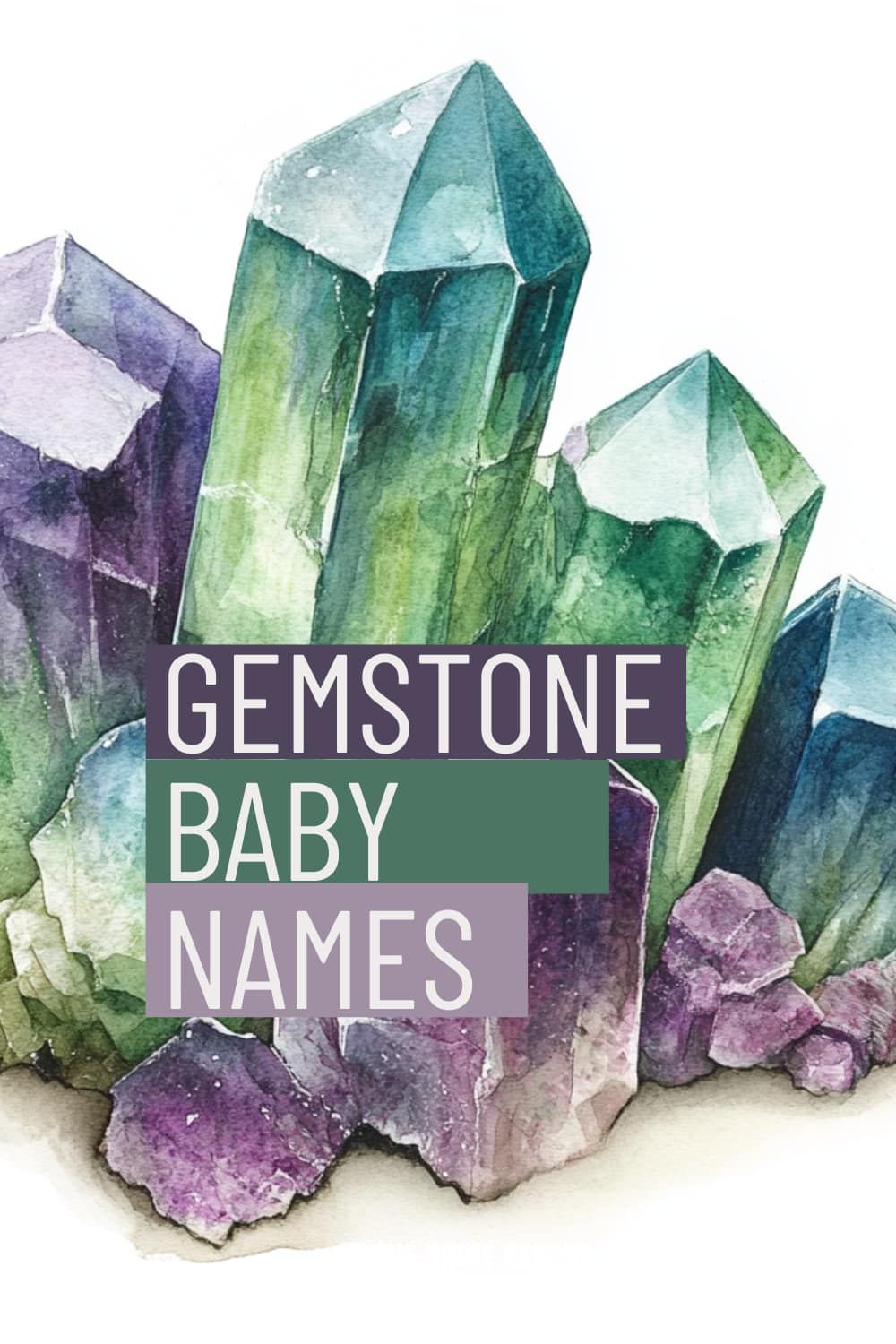
There’s something specific about naming your child after something precious that doesn’t require explanation or apology. A diamond is a diamond. An emerald is an emerald. You’re not picking something trendy or theoretical—you’re picking something that exists, that has been valued across centuries and cultures, that people have literally gone to war over.
Gemstone naming sits in an interesting cultural moment. It’s not quite wellness culture (though some people definitely bring that energy to it), and it’s not quite pure aesthetics (though the aesthetic is absolutely part of the appeal). It’s something in between—a desire to name your child something that’s simultaneously real, rare, and beautiful. Something that means something because it’s been made to mean something by human culture, geology, and history.
The interesting thing about gemstone names is that they’re not manufactured. A ruby doesn’t become precious because we decided it should be. It becomes precious because it’s actually rare, actually difficult to find, actually has distinctive properties that make it valuable. When you name your child Ruby, you’re not just picking a pretty name—you’re invoking something that has actual substance, actual scarcity, actual weight.
What’s happening right now with gemstone naming is something genuinely interesting: families are picking names that speak to value without being showy about it. Pearl doesn’t announce itself. Neither does Iris or Amber or Jade. But each one carries the weight of something precious, something that’s been admired across cultures and time periods, something that’s genuinely difficult to find.
The gemstone naming moment is parents asking: “How do I pick a name that’s beautiful but also real? How do I choose something that will age beautifully? How do I name my child after something that’s actually worth something?”
The answer lives in the names that are literally as precious as the stones they invoke.
What Actually Makes a Gemstone Name Work
Before we get into the specific names, let’s be clear about what we’re looking for here.
A genuinely good gemstone name:
Has actual connection to a real stone. You’re not picking something that just sounds like it could be a gemstone. The stone should be real, should have actual properties, should have actual cultural and economic significance.
Works as a standalone name without explanation. You shouldn’t have to explain that Diamond is a gemstone, or that Jade is a stone. The name itself should feel complete and usable without requiring context.
Carries actual beauty and substance. The gemstone should be genuinely beautiful or genuinely interesting—not just something you’re picking because you like the sound of the name. The gemstone’s properties and history should matter.
Has longevity and real-world usage. A gemstone name should feel equally natural on a five-year-old and a fifty-year-old. It shouldn’t feel cutesy or like a phase—it should feel like something that will age gracefully.
Isn’t performative. You’re not picking a gemstone name to signal that you’re wealthy or cultured or into wellness. You’re picking it because you genuinely find the stone beautiful and meaningful.
Carries cultural weight beyond just the aesthetic. Many gemstones have histories, mythological significance, cultural meanings, birthstone associations, crystal properties that people believe in. The name should carry some of that weight.
If this speaks to you, you might also explore names with powerful meanings or aesthetic girl names as frameworks for thinking about how names function to express beauty and meaning. And for those interested in how names age across a lifetime, our guide to one-syllable girl names shows how many gemstone names (like Jade, Pearl, and Opal) have that same staying power.
Diamond and White Stone Names
Diamond (English, DY-mund) — The stone itself. Diamond is the ultimate precious stone—the hardest natural material, the one that’s been symbolizing permanence and excellence for centuries. Using Diamond as a name is a direct statement about value and durability. It’s bold without being trying-too-hard.
Stella (Latin, STEL-uh) — Meaning “star,” Stella evokes the brilliant light and sparkle of diamonds without being named after the stone directly. It’s sophisticated and carries astronomical weight.
Crystal (Greek, KRIS-tul) — The clear transparent mineral. Crystal is literal and beautiful—you’re not hiding what you’re doing, you’re stating it directly. Clear, bright, refined.
Iris (Greek, EYE-ris) — Named after the flower and the Greek goddess, Iris also evokes the iris of the eye and the iridescence of certain stones. It’s multilayered and genuinely sophisticated.
Clara (Latin, KLAR-uh) — Meaning “clear” or “bright,” Clara evokes the clarity and light of gemstones without being named directly after one. It’s elegant and carries real substance.
Luminara (Latin, loo-mih-NAR-uh) — A contemporary creation meaning “light-giving,” Luminara evokes the luminescence of precious stones. It’s rare and deliberately created.
Pearl (Latin, PURL) — The pearl is the only gemstone created by a living creature (an oyster). It’s a statement about transformation and the beauty that can emerge from irritation. Pearl is elegant and carries real cultural weight.
Margot (French, mar-GO) — Meaning “pearl,” Margot is the sophisticated French version of the pearl reference. It’s cosmopolitan and refined.
Margaret (Greek, MAR-gret) — Also meaning “pearl,” Margaret carries centuries of historical use and elegant substance.
Opal (Sanskrit, OH-pul) — The opal is the gemstone of contradiction—it’s fragile and valuable, delicate and stunning. Opal as a name carries that complexity and beauty.
Ivory (Latin, IVR-ee) — While not technically a gemstone (it’s made from tusks), ivory carries that precious white stone aesthetic. It’s elegant and carries substance.
Bianca (Italian, bee-AHN-kuh) — Meaning “white,” Bianca evokes the whiteness and purity of diamonds and pearls. It’s sophisticated and refined.
Emerald and Green Stone Names
Emerald (Sanskrit, EM-uh-ruld) — The stone itself. Emerald is a bold choice—green, valuable, associated with luxury and royalty. It’s a direct statement of precious worth.
Jade (Spanish, JAYD) — The jade stone, highly valued in Asian cultures for thousands of years. Jade is short, elegant, and carries genuine cultural weight and meaning.
Olive (Latin, AHL-iv) — While named after the fruit, Olive evokes the green-toned beauty of olive stones and carries an earthy elegance.
Esmeralda (Spanish, es-muh-RAL-duh) — The Spanish version of Emerald. Esmeralda is more elaborate and carries literary credentials (The Hunchback of Notre-Dame). It’s romantic and sophisticated.
Veronica (Latin, ver-AHN-i-kuh) — Meaning “true image,” Veronica carries spiritual weight and evokes the green-toned aesthetic of certain stones.
Sage (Latin, SAYJ) — The herb and the quality. Sage evokes green wisdom and carries genuine substance beyond just the gemstone connection.
Malachite (Greek, MAL-uh-kyt) — The green and black banded stone. Malachite is distinctive and carries both aesthetic and protective properties in various traditions.
Verdana (Latin, ver-DAN-uh) — Meaning “green,” Verdana evokes the emerald aesthetic without being named directly after the stone.
Peridot (Arabic, PAIR-uh-dot) — The olive-green gemstone associated with August birthstone energy. Peridot is rare as a name and carries distinctive beauty.
Ruby and Red Stone Names
Ruby (Latin, ROO-bee) — The stone itself. Ruby is the classic precious stone—valuable, red, associated with passion and power. It’s short, strong, and carries genuine weight.
Scarlett (English, SKAR-let) — The deep red color, evoking rubies and red gems. Scarlett is sophisticated and carries literary credentials (Gone with the Wind). It’s strong and elegant.
Rosita (Spanish, roh-SEE-tuh) — Meaning “little rose,” Rosita evokes the red gem aesthetic while maintaining feminine elegance.
Garnet (Latin, GAR-net) — The deep red gemstone, associated with January birthstone energy. Garnet is distinctive and carries protective properties in various traditions.
Sienna (Italian, see-EN-uh) — The reddish-brown color, evoking earth tones and warm gem tones. Sienna is sophisticated and carries natural beauty.
Rubiana (Latin, roo-bee-AHN-uh) — A contemporary creation meaning “ruby-like.” It’s elaborate and deliberately evokes the precious stone.
Coral (Latin, KOR-ul) — While technically not a stone (it’s created by sea creatures), coral carries the red gem aesthetic and precious material meaning.
Raven (English, RAY-ven) — While not directly gem-related, Raven carries the deep black-red aesthetic of certain precious stones and that glossy, precious quality.
Sapphire and Blue Stone Names
Sapphire (Greek, SAF-yr) — The stone itself. Sapphire is the blue gemstone of royalty, associated with wisdom and truth. It’s elegant and carries genuine cultural weight.
Indigo (Greek, IN-dih-go) — The deep blue color and dye. Indigo evokes sapphires and blue gems while carrying artistic and cultural significance.
Azura (Portuguese, uh-ZOO-ruh) — Meaning “blue,” Azura evokes the sapphire aesthetic and carries romantic, sophisticated weight.
Azure (French, AZ-ur) — Meaning “sky blue,” Azure is poetic and evokes the brilliant blue of sapphires.
Celeste (Latin, suh-LEST) — Meaning “heavenly” or “celestial,” Celeste evokes the blue of the sky and the brilliance of sapphires.
Iris (already covered, but the iris flower has blue varieties and the mythological iris connects to the color spectrum)
Cyanea (Greek, sy-AY-nee-uh) — Meaning “blue,” Cyanea is rare and carries scientific sophistication while evoking blue gem tones.
Bluebell (English, BLOO-bel) — The blue flower, evoking sapphire and blue gem tones. It’s whimsical while carrying botanical substance.
Navy (English, NAY-vee) — The deep blue color of the sea and gems. Navy is contemporary and carries strength.
Amethyst and Purple Stone Names
Amethyst (Greek, AM-uh-thist) — The purple quartz gemstone. Amethyst is associated with spiritual calming and protection in various traditions. It’s distinctive and carries genuine substance.
Violet (Latin, VY-oh-let) — The purple flower, evoking amethysts and purple gems. Violet is elegant and carries both botanical and gem aesthetic.
Lavender (Latin, LAV-en-der) — The purple herb, evoking amethyst and purple gem tones. Lavender is calming and carries genuine botanical substance.
Mauve (Latin, MAWV) — The pale purple color, evoking lighter amethyst tones. Mauve is sophisticated and carries a vintage elegance.
Liliana (Latin, lil-ee-AHN-uh) — Meaning “lily,” Liliana evokes purple-toned flowers and gems while carrying botanical elegance.
Primrose (Latin, PRIM-rohz) — The purple flower, evoking amethyst tones. Primrose is whimsical and carries genuine botanical substance.
Faye (French, FAY) — Meaning “fairy,” Faye carries magical properties often associated with amethyst and purple gems in folklore.
Persephone (Greek, per-SEF-uh-nee) — The Greek goddess, associated with both pomegranates and purple/underworld aesthetic. Persephone carries mythological weight and gem-adjacent beauty.
Iris (already mentioned, but purple iris flowers exist and connect to gem tones)
Topaz and Yellow/Gold Stone Names
Topaz (Sanskrit, TOH-paz) — The yellow and golden gemstone. Topaz is associated with November birthstone energy and carries warmth and value.
Saffron (Persian, SAF-run) — The golden spice, evoking golden topaz and warmth. Saffron is exotic and carries genuine cultural significance.
Aurelia (Latin, aw-REE-lee-uh) — Meaning “golden,” Aurelia evokes golden gem tones and carries romantic elegance.
Aurora (Latin, aw-ROR-uh) — Meaning “dawn” or the red-golden light of sunrise. Aurora carries mythological weight and gem-adjacent beauty.
Citrine (French, SIT-reen) — The yellow quartz gemstone. Citrine is associated with prosperity and joy in various traditions. It’s distinctive and carries substance.
Goldie (English, GOHL-dee) — While casual, Goldie directly invokes the golden gem aesthetic and carries warmth and vintage charm.
Zephyr (Greek, ZEF-er) — While not directly gem-related, Zephyr carries golden, ethereal beauty associated with precious stone aesthetic.
Amber (Latin, AM-ber) — Fossilized tree resin, technically not a stone but carries that precious, golden gem aesthetic. Amber is warm and carries genuine substance.
Gidget (English, GID-jet) — While informal, Gidget carries bright, golden-toned energy.
Opal and Iridescent Stone Names
Opal (already covered above, but bears repeating in this category)
Iris (already covered, directly references the iridescence and color-changing properties of opals)
Iridiana (Latin, ir-id-ee-AHN-uh) — A contemporary creation evoking iridescence. It’s rare and carries that opal quality of shifting beauty.
Prisma (Latin, PRIZ-muh) — Meaning the way light refracts, Prisma evokes the light-splitting properties of opals and crystals.
Kaleidoscope (Greek, kuh-LY-duh-skohp) — Too long for everyday use, but the aesthetic of shifting, iridescent colors in opals.
Birthstone-Inspired Names
January: Garnet-inspired (already covered), or Caprice (Latin, kuh-PREES) — Evoking the capriciousness of gemstones and their varied beauty
February: Amethyst-inspired (already covered), or Violet (already covered)
March: Aquamarine-inspired, or Marina (Latin, muh-REE-nuh) — Meaning “of the sea,” Marina evokes aquamarine’s ocean-blue aesthetic
April: Diamond-inspired (already covered), or Stella (already covered)
May: Emerald-inspired (already covered), or Esmeralda (already covered)
June: Pearl-inspired (already covered), or Marina (already covered)
July: Ruby-inspired (already covered), or Scarlett (already covered)
August: Peridot-inspired (already covered), or Agatha (Greek, uh-GATH-uh) — While not directly peridot, Agatha carries the warm, earthy tone of August’s birthstone energy
September: Sapphire-inspired (already covered), or Serena (Latin, ser-EE-nuh) — Meaning “serene,” Serena evokes the calming sapphire aesthetic
October: Opal-inspired (already covered), or Ophelia (Greek, oh-FEEL-yuh) — Carrying that opal-adjacent quality and literary substance
November: Topaz-inspired (already covered), or Aurelia (already covered)
December: Blue Topaz or Turquoise-inspired, or Azura (already covered)
Mineral and Crystal Names
Quartz (German, KWORTS) — The most common mineral on Earth, quartz comes in many colors and varieties. Quartz is distinctive and carries scientific substance.
Feldspar (German, FELDZ-par) — Too industrial for everyday use, but carries that crystalline beauty
Mica (Latin, MY-kuh) — The shimmering mineral that catches light beautifully. Mica is distinctive and carries genuine mineral substance.
Sable (Latin, SAY-bul) — While named after the black fur, Sable carries that deep, precious black aesthetic similar to black diamonds and dark gems.
Onyx (Greek, AHN-iks) — The black and white striped gemstone. Onyx is elegant and carries protective properties in various traditions.
Jet (English, JET) — The black fossilized wood stone. Jet is distinctive and carries both elegance and historical significance.
Shale (English, SHALE) — The sedimentary rock. While more geological than precious, Shale carries that earthy, grounded aesthetic.
Slate (English, SLATE) — The gray stone. Slate carries that cool, sophisticated gray-toned aesthetic of certain gems.
Marble (Greek, MAR-bul) — The metamorphic rock used in sculpture and architecture. Marble carries that precious, refined aesthetic.
Felicity (Latin, fuh-LIS-uh-tee) — While not directly mineral-related, Felicity carries the bright, sparkling energy of gemstones and crystals.
Precious Metal Names (Related Aesthetic)
Sienna (already covered, but carries that warm metallic aesthetic)
Aurelia (already covered, directly meaning “golden”)
Argentum (Latin, ar-JEN-tum) — Meaning “silver,” Argentum is rare and carries scientific substance (it’s the Latin name for silver).
Aurore (French, or-OR) — Meaning “gold” or “dawn,” Aurore carries that precious metal aesthetic and romantic elegance.
Copper (English, KOP-er) — The warm reddish metal. Copper carries that industrial-chic aesthetic and genuine substance.
Bronwen (Welsh, BRON-wen) — Meaning “dark/blessed raven,” Bronwen carries that bronze-toned aesthetic and carries Celtic substance.
The Cultural Moment: Why Gemstone Names Right Now
We’re at a moment where there’s genuine hunger for substance in names. For things that are real, that have been valued across time and cultures, that aren’t manufactured or trendy.
Gemstone names speak to this. A ruby has been valuable for thousands of years across cultures. A diamond has been the ultimate precious object in Western culture for centuries. When you name your child after a gemstone, you’re not following a trend—you’re invoking something that has actual, real-world value.
There’s also something happening around wanting to name children after things that are tangible. In a world of so much virtual and abstract, there’s something grounding about invoking something you can actually hold, something with actual properties and real scarcity.
And there’s the aesthetic element, which is real: gemstones are beautiful. They catch light. They sparkle. They’re designed by nature to be visually stunning. There’s nothing wrong with wanting your child’s name to evoke that kind of beauty.
For more on names that carry genuine beauty and substance, explore our collection of aesthetic girl names and aesthetic boy names. You might also love our celestial baby names collection, which shares that quality of evoking something precious and eternal.
What to Avoid If You’re Doing This Right
Avoid: Picking a gemstone name just because you think it sounds pretty without understanding what the stone actually is. The substance matters.
Avoid: Using gemstone names ironically or as performance of wealth. These names work when they’re genuine, not when they’re trying to signal something.
Avoid: Forcing the gemstone connection where it doesn’t exist. Not every pretty-sounding name is a gemstone name. Be honest about what you’re doing.
Avoid: Treating crystal healing or wellness properties as the primary reason for choosing a name. That can feel performative. If that’s meaningful to you, that’s fine—but it shouldn’t be the only reason.
Avoid: Picking an obscure gemstone name just for uniqueness. The name should work for an actual person living an actual life, not just be a conversation starter.
Building a Gemstone-Inspired Sibling Set
If you’re naming multiple children with gemstone-inspired names, the principle is consistency of substance rather than matching aesthetic.
The color approach: Ruby and Sapphire. Emerald and Amethyst. These pairs sound like they come from the same family because they’re both precious stones, even if they’re different colors.
The precious material approach: Diamond and Pearl. Jade and Garnet. These feel cohesive because they’re all genuinely precious and valuable.
The mixed approach: Ruby and Stella. Jade and Iris. Amethyst and Clara. These pairs feel like a family because they all carry that precious, beautiful substance without being too matching.
For guidance on how to build a coherent sibling set across any aesthetic, check out our tips on the perfect middle names and getting flow right.
The principle: Every name should feel like it came from understanding real gemstones and their actual properties and value. Every name should work for someone at any age. Every name should feel like a genuine choice, not a category selection.
The Gemstone Name Checklist
Before you commit:
- Is this actually a real gemstone or does the name genuinely evoke one?
- Would I feel comfortable introducing this name without feeling self-conscious?
- Does it work equally for a five-year-old and a fifty-year-old?
- Could I explain why I chose it without sounding like I’m following a trend?
- Does it carry genuine beauty and substance?
- Does it feel like a real name for a real person, not just an aesthetic choice?
If you answered yes to most of these, you’re in gemstone name territory.
Other Elemental Options
Getting Your Personalized Gemstone Name
These names are a starting point. They’re proof that gemstone naming can be genuinely substantive—that you can choose a name that’s beautiful without being precious (in the negative sense), that you can pick something that invokes real geological beauty without requiring apology or explanation.
But the name that’s specifically yours? The one that captures something about what you value, about what beauty means to you, about the person you want your child to become? That’s where real naming work happens.
If you’re drawn to gemstone naming but want guidance on how to make this choice—how to move from “I love the energy of gemstone names” to “Here is the specific name that feels right for my family”—that’s where Your Personalized Name Report comes in.