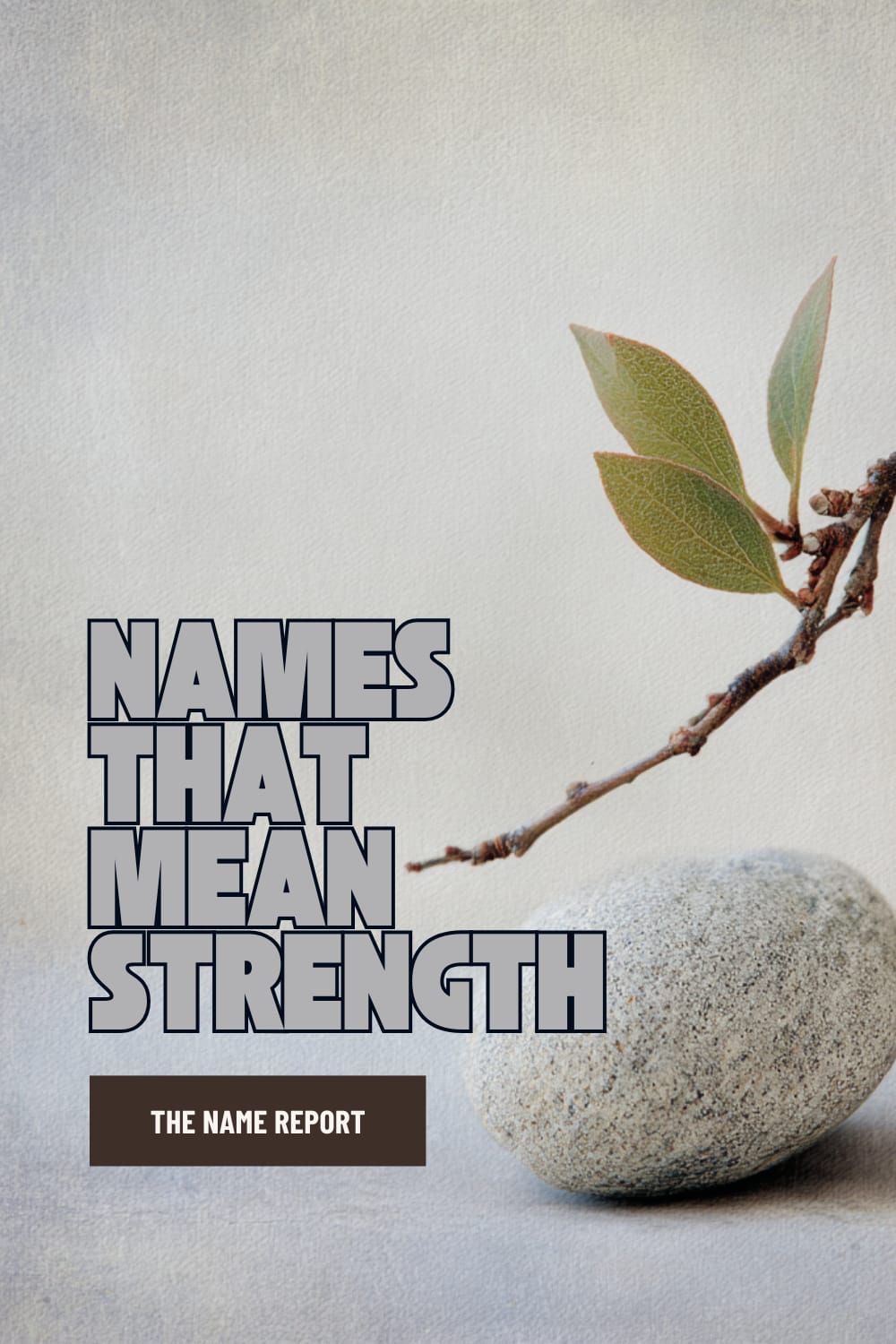
You know the feeling when you meet someone who’s genuinely powerful and doesn’t need to tell you? There’s a quietness to it—a certainty that doesn’t require volume. That’s the energy we’re after here.
The naming landscape has shifted. Parents aren’t hunting for warrior names anymore (though those exist and have their place). What we’re seeing now is a hunger for names that carry genuine substance—resilience, courage, fortitude—but with the kind of understated confidence that suggests strength comes from somewhere deep and steady, not from announcement.
This is what happens when a culture starts valuing emotional intelligence as much as dominance. This is what strength looks like after we’ve all learned it’s not about being loud.
Girl Names That Mean Strength Without the Armor
Sophia (so-FEE-uh) — Means “wisdom.” But here’s what’s interesting: mothers of Sophias aren’t usually naming them after the virtue. They’re naming them after the power of being underestimated and proving people wrong. Sophia carries that particular kind of strength that comes from knowing something others don’t. It’s been in the top 10 for years, and it won’t go anywhere because it works. Elegant, grounded, substantial. If you’re drawn to this kind of intellectual heft, you’ll also want to explore names like Theodore—they carry that same weight without pretension.
Valentina (val-en-TEE-nuh) — Means “strong” and “valiant.” The fact that it’s been rocketing up the charts says something about where we are collectively. Valentina is powerful without being aggressive—it’s got that space-age glamour, that Valentina Tereshkova confidence, but it wears it like it was never a big deal. Four syllables that somehow feel inevitable.
Piper (PY-per) — Means “one who plays the pipe.” This one’s interesting because its strength is quiet. Piper is understated—it doesn’t announce itself, but once you know a Piper, you understand the name completely. It suggests someone who sets the tone without commanding the room. Short, assured, done.
Alma (AHL-muh) — Means “nourishing” and “soul.” Alma is having a moment because it carries the weight of generations without feeling old. There’s something almost protective about it, like strength expressed through care. It ages beautifully and works across cultures—one of those rare names that’s equally lovely on a toddler and a CEO.
Margot (MAR-go) — Means “pearl.” The beauty of Margot is that it’s sophisticated without trying, strong without aggression. It suggests someone who knows what she wants and isn’t explaining herself. Pearl—something that develops under pressure.
Freya (FRAY-uh) — Norse goddess of love and fertility, but also a warrior figure. The strength here is complicated—it’s power rooted in autonomy and choice, not conquest. Freya sounds like someone who decided her own story. She’s got that edge that makes names that mean grace sound delicate by comparison—though grace is powerful too, just differently.
Leila (LAY-luh) — Means “night” in Arabic. There’s something about dark, quiet names that feels secure. Leila is strong because it’s confident in its own mystique. It doesn’t need brightness to feel powerful.
Sage (SAYJ) — One syllable. One syllable that means wisdom and authority and someone who doesn’t flinch. Sage is the kind of strength that comes from actually knowing things.
Iris (EYE-ris) — Greek goddess and also the word for the colored part of your eye—something that registers light and communicates without words. Iris is small but commanding, delicate but precise. It’s been around forever and sounds brand new.
Vera (VAIR-uh) — Means “faith” in Russian. Vera is economical—it doesn’t waste words or syllables. There’s something unflinching about it, like someone who made a decision and is sticking to it.
Naomi (nay-OH-mee) — Means “pleasantness” in Hebrew, but in practice, it reads as someone who’s calm in chaos. There’s a stillness to Naomi, a groundedness. Biblical without being heavy-handed about it.
Thea (THAY-uh) — Means “goddess” in Greek. Two syllables of pure authority. Thea sounds like someone who walked into the room already knowing the answer.
Bryn (BRIN) — Welsh for “hill.” One syllable, solid as stone. Bryn doesn’t need elaboration—it’s sturdy without being clunky, strong without swagger.
Boy Names That Mean Resilience and Quiet Courage
Leo (LEE-oh) — Means “lion,” but here’s where it gets interesting: Leo doesn’t feel aggressive. It’s just confident in its own magnitude. It’s been climbing the charts because parents want names that carry weight without heaviness. Leo does that. It’s substantial in two syllables. For comparison, names that mean warrior have that same intensity but they announce it—Leo just is.
Kai (KY) — One syllable, multiple meanings across cultures (ocean in Hawaiian, sea in Japanese). Kai is strong because it’s rooted in something larger than itself. It suggests perspective, something vast and calm.
Miles (MYLZ) — Means “soldier” but sounds nothing like warfare. There’s something wry about Miles, like someone who’s made peace with difficulty and moved on. It’s strong through endurance, not dominance.
Wyatt (WY-ut) — Means “brave in battle,” but Wyatt sounds like someone who handles conflict quietly, methodically. The strength here is practical. It’s Western without being corny.
River (RIV-ur) — Water that carves through stone slowly, over time. River is patient strength. It sounds like someone who’s going to get where they’re going whether you notice or not. Nature-based without being precious.
Ezra (EZ-ruh) — Means “help” or “God helps” in Hebrew. Ezra is dignified, literary, intellectual. The strength is cerebral—someone who thinks their way through problems.
Marcus (MAR-kus) — Means “dedicated to Mars,” but Marcus sounds measured, thoughtful. It’s got that Stoic vibe—strength as a philosophy rather than a display.
Silas (SY-lus) — Means “of the forest” in Latin. Silas carries quiet authority. It sounds like someone who was listening the whole time and now has something to say.
Vincent (VIN-sent) — Means “conquering,” but Vincent sounds refined, artistic even. The strength is in the follow-through, the commitment to excellence rather than victory.
Felix (FEE-liks) — Means “happy” and “fortunate,” but don’t mistake happiness for weakness. Felix is strong because it’s optimistic in a way that requires actual resilience. You have to be certain to sound that cheerful.
Atticus (AT-i-kus) — Greek name meaning “from Attica.” Atticus sounds like a name that read its way to wisdom. There’s moral weight here, intellectual substance. The strength is principled. It’s the kind of name that pairs well with our exploration of names that mean magic—both suggest transformation through depth rather than surface change.
Jasper (JAS-per) — Means “treasurer” or references a semiprecious stone. Jasper is grounded, earthy, solid. It doesn’t try—it just is.
Rowan (RO-un) — Scottish, referencing a tree. Rowan is strong through natural confidence. It sounds like someone who belongs exactly where they are.
Orion (oh-RY-un) — Celestial hunter constellation. Orion sounds like someone operating at a larger scale. The strength is mythic, expansive, patient.
Gender-Neutral Names That Carry Real Power
Morgan (MOR-gun) — Welsh for “born of the sea.” Morgan is sophisticated and capable. It sounds like someone who can navigate complexity without getting flustered. It works equally on everyone.
Cameron (KAM-run) — Means “crooked nose” in Scottish Gaelic, but that origin story doesn’t matter—Cameron sounds steady, competent, reliable. The strength is in dependability.
Avery (AY-ver-ee) — Means “ruler of elves” from Old English. Avery sounds precise and intelligent. There’s no apology in Avery, no hedging.
Finley (FIN-lee) — Irish for “fair warrior.” Finley sounds cheerful about being strong. That combination—competence + warmth—is actually rare.
Drew (DROO) — Short for Andrew, means “strong” and “manly.” Drew is decisive and economical. One syllable of pure capability.
Quinn (KWIN) — Irish for “wise” and “leader.” Quinn sounds like someone who earned their seat at the table. It’s assured without being arrogant.
Why Strength Doesn’t Always Need to Be Loud (And Why Parents Are Searching for This)
The shift toward soft power names says something crucial about how we’re thinking about resilience in 2026. For decades, strong names meant warrior names, fighter names—anything that announced itself. Names that mean warrior still exist and still matter, but the cultural conversation has shifted.
But we’ve learned something: actual strength is often quiet. It’s the person who can sit with discomfort without needing to fix it immediately. It’s the emotional stability that doesn’t require validation. It’s knowing you’re capable without needing to prove it constantly.
Parents naming their kids now have lived through enough to understand that resilience looks different than we thought. It’s not about being the loudest or the most dominant. It’s about being certain. Grounded. Steady in uncertainty.
The names that are climbing the charts—Sophia, Valentina, Leo, Atticus, Morgan—they all share this quality: they sound like people who’ve already decided something about themselves. They’re not asking permission. They’re not announcing their power; they’re just carrying it.
This is what strength looks like in a world that’s learned to value emotional intelligence alongside achievement. Names that mean strength but whisper it are exactly what parents are hunting for right now.
The Names Therapists’ Kids Have: Strength Rooted in Emotional Intelligence
If you want to understand where naming culture is really going, pay attention to the names chosen by people trained to understand human psychology. Therapists’ kids often have names that suggest emotional sophistication alongside capability.
You’ll see a lot of Silas, Naomi, Iris. Names that sound reflective, like the person wearing them has done their internal work. You’ll see River and Morgan—names that suggest adaptability, the ability to move through different contexts without losing yourself.
What’s interesting is that these names don’t sound delicate. They sound prepared. Like someone who’s learned how to be strong without being rigid.
The connection isn’t accidental. When you understand psychology, you understand that resilience isn’t about being invulnerable. It’s about flexibility, self-awareness, the capacity to bend without breaking. Names that carry strength and sensitivity are actually encoding that value system.
This is why you’re seeing more names like Violet (sounds delicate, but comes from viola—a fighter’s name), Silas (sounds literary, but means of the forest—rooted and permanent), and Marcus (sounds classical, but suggests someone thinking through complexity rather than reacting to it).
Strength rooted in emotional intelligence. That’s where we are.
What Makes These Names Work for Actual Humans
There’s a difference between a name that sounds strong in theory and a name that actually holds up when a real person has to live inside it. The names on this list work because they’re:
Pronounceable without explanation. You don’t want your child correcting pronunciation their entire life. That’s exhausting, and exhaustion erodes actual resilience. These names are clear—they let the person wearing them show up, not explain.
Substantial without being heavy. Leo has weight without being oppressive. Sophia sounds elegant without requiring stilettos. These names don’t ask you to perform; they just exist.
Age-appropriate forever. A name that sounds fierce on a toddler might sound exhausting on a 45-year-old executive. These names work on a five-year-old, a teenager, and someone running a company. They age well because they’re substantive, not trendy—there’s nothing dated about Sophia or Leo or Atticus.
Culturally grounded without requiring a thesis. Whether you choose a name from your heritage or something completely different, these names don’t demand constant cultural education. They just work.
Get Your Personalized Name Report
These are our favorites, but the real work of finding your name is personal. What resonates depends on your values, your heritage, the feeling you want your child to carry.Ready to find the name that fits exactly right? Get your Personalized Name Report at https://app.thenamereport.com/ — we’ll help you navigate every consideration and find the name that works for your actual life, not just in theory.